

Nepal is a land of mountains. People say the mountains touch the sky, and yes, it’s true. If you want adventure, if you want peace, you must come here. Walking on trails of Nepal is like walking in a dream; every step you feel nature around. The Annapurna Base Camp trek is famous, the Langtang Valley trek is near Kathmandu but beautiful, and the Manaslu trek is less crowded, wilder, and more adventurous. Every trek has its story, its people, and its view. Walking in the Himalayas is not just physical; it is a journey of mind and soul. Some trek for fun, some trek for challenge, some trek for photography, and some trek to meet locals; every reason is right. Trails are sometimes easy, sometimes very difficult, but you feel alive; every morning you wake up with mountains, rivers, and sky.
Annapurna Base Camp Trek
The Annapurna Base Camp Trek is a dream trek for many. You start from a small village, cross rivers, and walk through forests, terraces, and small bridges. Villages are small, but people are warm. You see rice fields, cows, and sometimes yaks. Trekking in the Annapurna region, you see Annapurna South, Machhapuchhre, and other peaks. Sunrise is beautiful; sunset is more beautiful. Tea houses are simple but enough; food is good, with dal bhat everywhere. Some days the trek is short, some days very long, uphill, downhill, and your legs sometimes cry. But when you reach ABC, you see 360 degrees of mountains, snow, silence, cold air, and a happy heart. People from all over the world come here; every step is an adventure. You meet trekkers, share stories, laugh, and sometimes sleep outside if the lodge is full. The Annapurna trek is a mix of nature, culture, adventure, and peace. The best time is spring and autumn, when the sky is clear and the mountains shine.
Read More: Tracking Home Loan Obligations to Avoid Repayment Delays
Langtang Valley Trek
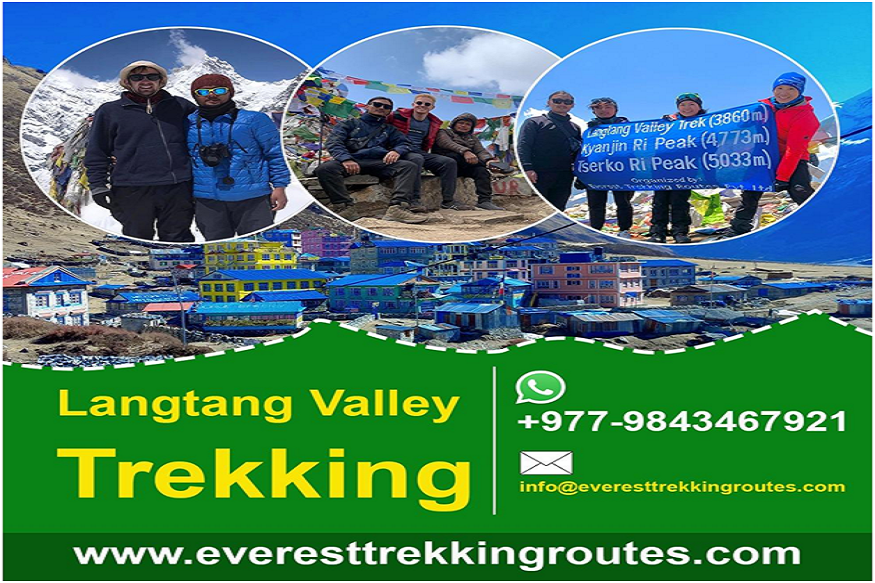
The Langtang Valley Trek is closer to Kathmandu but feels like a world away. The valley is green, the forest thick, the river blue, and the mountains white. The trail is quiet sometimes, with local Tamang villages along the trail, people smile, and children wave. The Langtang trek is not very hard and is suitable for beginners too, but the views are amazing. You see Langtang Lirung, glaciers, and sometimes snow. Tea houses are small, food is simple, momo is everywhere, and dal bhat makes you strong. The forest walk is beautiful, with rhododendron, pine, and bamboo. Birds sing, rivers flow, and wind blows—very peaceful. Local culture is rich, monasteries, prayer flags everywhere. Langtang Valley was affected by the earthquake but is rebuilding; the locals are very brave. Trekking here gives you nature, quiet, culture, sometimes challenge, and sometimes fun. The best time is spring and autumn. You feel the Himalaya close, the sky near, and the stars at night shine bright; you sleep in a lodge, wake up with the sun on the mountains, and your heart is full.
Manaslu Trek
The Manaslu Trek is for those who want adventure away from the crowd. Manaslu is the 8th highest mountain in the world. The trail is long, remote, and sometimes difficult. You walk many days and see glaciers, rivers, forests, high passes, and small villages. Permits are needed, and you feel like an explorer. People live simple life, yak herders, farmers, monks in monasteries. Trails are sometimes narrow, and landslide areas and snow sometimes block paths. But the view is unforgettable. Mountains big, valley deep, river strong. Tea houses less, if you plan carefully. The Manaslu trek takes more time and more effort, but the reward is big. Pure nature, local culture untouched. Sometimes you feel alone, and sometimes you meet few trekkers and share stories around a fire. Trekking here is a challenge, mental and physical, but the heart is happy. The best times are spring and autumn, when the weather is stable, the sky is clear, and the view is awesome. The Manaslu trek is a journey of life, not only a trek.
Read More: What Really Drives UPI App Download Trends
Langtang Trek (Another Version)
The Lantang trek is sometimes mixed with the Langtang Valley trek name. The trail goes from Syabrubesi to Kyanjin Gompa, sometimes higher, sometimes through forest. You feel the river sound, birds, wind, and snow on mountains. People are very nice, the tea house is simple, and hot water is sometimes rare. The trail is easy for a moderate trekker and hard sometimes if there is snow. You see glaciers, valleys, grazing yaks, and horses carrying goods. Sunrise on mountains very bright, sky pink, clouds white. The trail is peaceful; you walk slowly, breathe fresh air, and feel happiness. Forest full of rhododendron, pine, and moss. The valley is quiet, the monastery gives peace, and the locals are very friendly and sometimes share tea and snacks. Trekking here makes you strong, your mind calm, and your body active. The best time is spring and autumn; winter is cold, and monsoon is wet. The Langtang trek is beauty, easy, culture, adventure, and a perfect combination.
Why Walking in Nepal Is Special
Nepal is not only a mountain trek; it life. You see small villages, local culture, people smile, and children play. Air is fresh, water pure, and nature is everywhere. Every trek is different; every trek teaches you something. The Annapurna trek has more tourists, easy lodges, food, and a clear trail. Langtang trek near Kathmandu, peaceful, beautiful forest, mountains. The Manaslu trek is remote, wild, challenging, and culturally untouched. Walking is slow; you see life, people, animals, mountains, sky, and clouds. Tea houses are simple, the food is good—dal bhat, noodles, momo, and eggs sometimes. You meet trekkers, sometimes alone, sometimes in groups. Every step is important, every night stars shine, the sky is clear, and the mountains are big. Walking in the Himalayas changes you: mind calm, body active, heart happy. You feel small in front of mountains but strong in spirit.
Nature and Culture
Nepal mountains full of nature. Rivers, waterfalls, forests, rhododendron, pine, moss, animals, birds, and sometimes yaks, goats, and cows. Mountains big, snow high, glaciers slow moving. People live simple, Buddhist, or Hindu lives, with prayer flags everywhere. Monastery, chorten, mani walls, and sometimes you see monks and meditation. You learn respect, patience, and peace. Culture very rich, food simple, dal bhat, momo, tea, butter tea in high Himalaya. Festivals are sometimes on the trail; locals celebrate, and you see dance, music, and color. Walking here is a combination of nature and culture. Every day a new village, a new view, new people, and a new trail. Every trek teach you something, patience, respect, humility. Himalaya life slow, calm, simple, full of beauty. You feel lucky to walk here, learn, enjoy, and experience.
Trekking Challenges
Trekking in Nepal is not always easy. Sometimes trail steep, sometimes landslide, snow sometimes block, river cross risky. Altitude sickness is possible, with headache, nausea, and fatigue. You need slow walking and acclimatization. The Annapurna trek is moderate and easy, with many lodges and people. The Langtang trek is easy, moderate, and beautiful in nature. The Manaslu trek is difficult and remote, with fewer people and more effort. You carry a backpack and need good shoes, warm clothes, and rain gear. Food is simple but enough. The teahouse is sometimes full, sleep is uncomfortable, and the water is cold. The trail is sometimes muddy and slippery. But challenges make the journey beautiful and make you strong. Every step is worth it; the view at the end is the reward. Trekking teaches patience, courage, and endurance. Himalaya is never easy, but never boring. Every trail is new, every step is an adventure, and every mountain has a story.
Equipment and Preparation
Before the trek, you need to prepare. Shoes strong, boots, jacket warm, gloves, hat, socks. Backpack, good sleeping bag, water bottle, water purification, trekking pole, sunscreen, and sunglasses. Annapurna trek moderate, less gear needed. The Langtang trek is easy to moderate; prepare for cold. The Manaslu trek is hard and remote, and more gear is needed. Trekking sticks are helpful, hiking boots are important, and layers of clothes are for cold and rain. Food is sometimes simple; you carry snacks and energy bars. A permit is needed for the Manaslu and Annapurna regions; check before starting. Maps and guides are helpful; GPS is sometimes useful. Body need training, walk long distance before trek. Trekking in the Himalayas is a combination of preparation, effort, patience, and adventure. When you are prepared, the trek is enjoyable, safe, and unforgettable. Himalaya, wait, be ready, and start walking.
Conclusion
Walking in Nepal is a dream come true. The Annapurna Base Camp trek gives views, adventure, people, teahouses, and nature. The Langtang Valley trek gives forest, valley, culture, and peace. The Manaslu trek gives adventure, challenge, remote culture, and untouched nature. Every trek teaches something, every trail is different. Mountains high, air fresh, rivers blue, people warm, culture rich. Trekking in the Himalayas is a journey of life, not only a walk. You see, feel, learn, enjoy, and challenge yourself. Every step in the Nepal Himalaya is a memory; every mountain view the heart remembers forever. Nepal is a country of adventure, beauty, culture, challenge, and peace. Walking here makes you small in front of nature but strong inside. Himalaya call you, come and explore, every trail unforgettable, every trek special.
FAQs
- Which trek is easiest for beginners?
The Langtang Valley trek is easy, Annapurna Base Camp is moderate, and Manaslu is hard. - Best time for trekking in Nepal?
In spring and autumn, the sky is clear, the weather is stable, and the view is beautiful. - Do I need a guide for these treks?
Guide helpful, Manaslu required, others optional but recommended. - Accommodation on the trail?
Tea houses are available; the food is simple and basic but enough, and hot water is sometimes limited. - Is altitude sickness common?
Possible on high passes; walk slow, acclimatize, drink water, and rest often.
Contact Details
Company address: Everest Trekking Routes Pvt. Ltd.
16 Khumbu, Nayabazaar, Kathmandu, Nepal
Mobile : +977-9843467921 (Rabin)
Email: [email protected]
URL:– www.everesttrekkingroutes.com